Find Your Perfect Fit
Use our simple measuring guide to determine your ideal ring size for a comfortable fit.
Diamond Cut
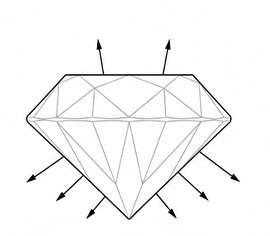
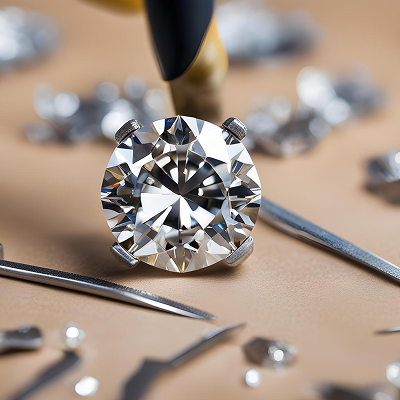
Among the 4Cs, Cut is the most influential factor in determining a diamond's brilliance and sparkle. While a diamond's color, clarity, and carat are naturally formed, the cut is the result of expert craftsmanship.
A diamond's cut is often confused with its shape. In reality, cut refers to how well the diamond's facets are proportioned, aligned, polished, and finished. These factors determine how efficiently the diamond reflects and refracts light, creating the brilliance, fire, and scintillation that make it truly captivating.
Even a diamond with outstanding color and flawless clarity cannot achieve its full beauty if it is not cut to ideal proportions. For this reason, cut is widely regarded as the most important of the 4Cs.
Diamond Cut
Understanding Diamond Cut
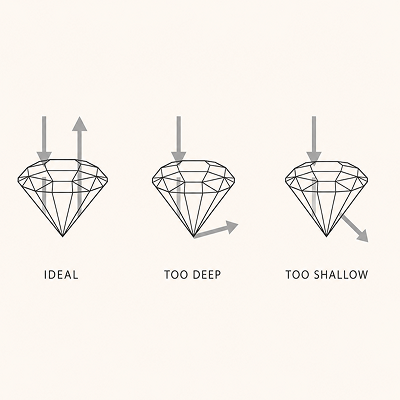
Diamond cut refers to how precisely a diamond has been crafted from its rough stone. Unlike shape, which describes the outline of the diamond, the cut determines how light enters, reflects, and exits the stone.
Why Does Diamond Cut Matter?
A diamond's cut is the most important factor in determining its brilliance and overall beauty. When expertly cut, a diamond reflects light with exceptional sparkle, fire, and brilliance. A poorly cut diamond, however, allows light to escape, resulting in a duller appearance regardless of its color or clarity.
How Diamond Cuts Are Evaluated?
Every diamond begins as a rough stone and is transformed through expert cutting and polishing. Skilled artisans carefully shape each facet to achieve the ideal balance of brilliance, fire, and scintillation. Because cut quality has such a significant impact on a diamond's beauty, independent grading laboratories evaluate each stone using strict industry standards.
At Swayi, we carefully select diamonds that meet exceptional standards of craftsmanship and light performance. Every certified diamond is evaluated by trusted gemological laboratories, ensuring transparency, authenticity, and consistent quality. This allows you to choose your diamond with complete confidence.
Diamond Cut Grading Systems
- GIA (Gemological Institute of America): Excellent, Very Good, Good, Fair, Poor
- IGI (International Gemological Institute): Ideal, Excellent, Very Good, Good, Fair
- Swayi Quality Standard: Carefully selected diamonds featuring Excellent or Ideal cut grades for exceptional brilliance and lasting beauty.
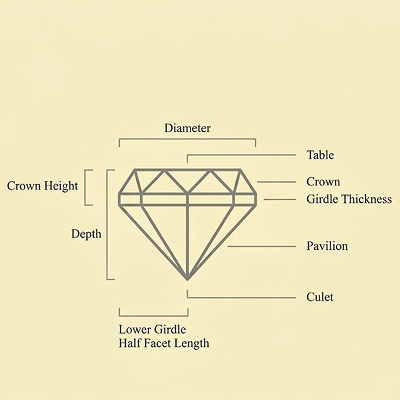
The Architecture of a Diamond
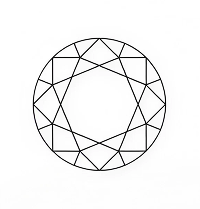
Before understanding how a diamond's cut is graded, it's important to know the individual parts that make up its structure. Every section of a diamond influences the way light enters, reflects within the stone, and returns to the eye. When these proportions are precisely balanced, the diamond achieves maximum brilliance, exceptional fire, and captivating sparkle.
A diamond's beauty begins with its anatomy. Each facet and structural element is carefully designed to control the journey of light through the stone. The harmony between these parts determines how brilliantly a diamond reflects light, creating the sparkle, fire, and scintillation that make it truly extraordinary.
How Diamond Cuts Are Evaluated?
At Swayi, we believe an informed choice is the best choice. Our detailed cut grading guide helps you compare light performance, sparkle, and craftsmanship, making it easier to select your perfect diamond.
Diamond Color
At Swayi, diamond color is evaluated by how little natural color a diamond contains. The closer a diamond is to being completely colorless, the rarer and more valuable it becomes. Colorless diamonds allow light to pass through effortlessly, creating exceptional brilliance and a crisp, radiant appearance.
As diamonds move through the color scale, subtle hints of warmth may appear. While these differences are often invisible to the untrained eye, they influence a diamond's rarity, value, and overall appearance.
Professional gemologists grade diamond color using internationally recognized standards. Because the variations between grades can be extremely subtle, accurate evaluation requires specialized lighting, master comparison stones, and expert examination.
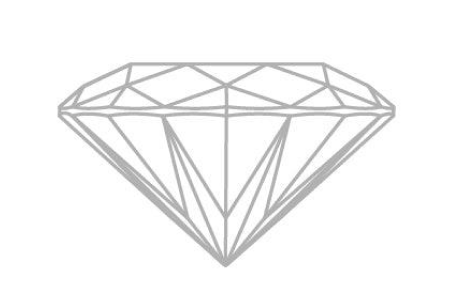
Diamond Color
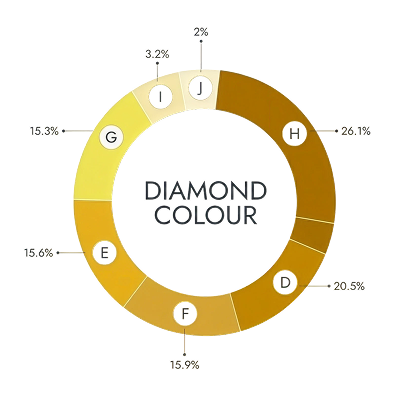
Understanding Diamond Color
Diamond color measures how much natural color is visible within a white diamond. The finest diamonds appear completely colorless, allowing light to pass through effortlessly and creating exceptional brilliance. Most diamonds naturally display subtle hints of yellow or brown, though these differences are often invisible to the untrained eye.
As one of the internationally recognized 4Cs of diamond quality, color plays an important role in a diamond's beauty, rarity, and value. In general, the less color a diamond contains, the more desirable and valuable it becomes. Understanding diamond color helps you choose a stone that perfectly balances appearance, quality, and budget.
Diamond Color Scale & Grading Guide
Diamond color is graded using an internationally recognized scale that measures the presence or absence of color within a white diamond. Each letter grade represents a subtle variation in color, ranging from completely colorless to noticeably warm tones. While many of these differences are difficult to detect without professional training, they play an important role in a diamond's rarity, appearance, and overall value.
At Swayi, we believe understanding diamond color helps you make a more confident and informed choice. To accurately determine a diamond's color grade, trained gemologists compare each diamond against certified master stones under controlled lighting and a neutral white background. This standardized process ensures precise, consistent, and unbiased grading.
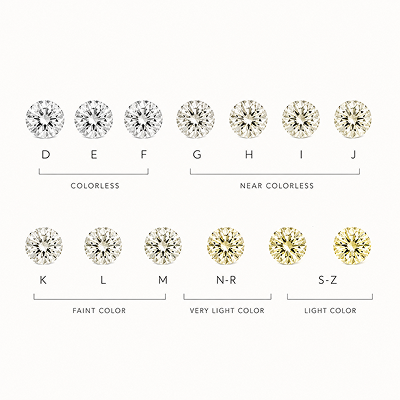
| Group | Overview | Value | Grades |
|---|---|---|---|
| Colorless | Completely colorless with exceptional brilliance and no visible tint. | The rarest and most valuable diamonds. | D - F |
| Near Colorless | Appears colorless in most settings, with only a faint warm under close comparison. | Premium appearance with excellent overall value. | G - J |
| Faint Color | Displays a subtle warm tint that becomes slightly noticeable in certain lighting. | A balanced choice offering beauty and affordability. | K - M |
| Very Light Color | Noticeable yellow or brown tint that is visible to the naked eye. | An economical option with a warm appearance. | N - R |
| Light Color | Clearly visible color, ranging from light yellow to deeper warm tones. | The most budget-friendly option within the color scale. | S - Z |
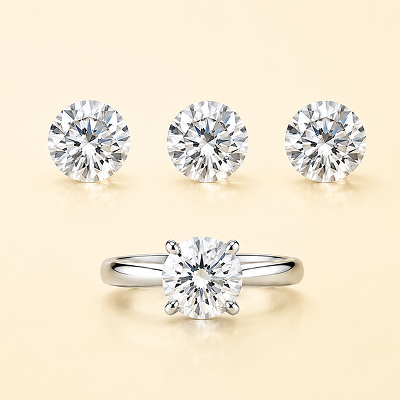
Colorless Grades: D, E, F
The D, E, and F grades represent the highest level of colorlessness on the GIA diamond color scale. These diamonds contain virtually no detectable color, allowing them to reflect light with exceptional brightness and brilliance. Their pure, icy-white appearance makes them the most sought-after choice among traditional white diamonds.
D Color Grade: Completely colorless and the highest possible diamond color grade. D-color diamonds exhibit unmatched purity and rarity with no visible body color.
E Color Grade: Appears colorless to the naked eye with only minute traces of color detectable by expert gemologists during professional grading.
F Color Grade: The final grade within the colorless category, offering exceptional brightness with only an extremely subtle trace of color visible under close professional examination.
Near Colorless Grades: G, H, I, J
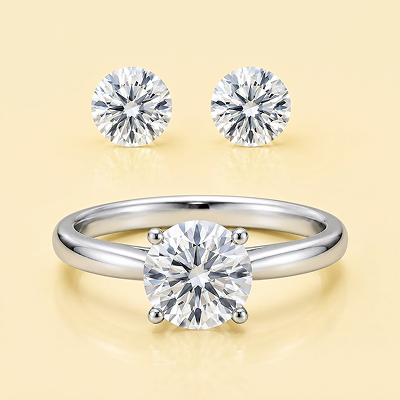
The G, H, I, and J grades fall within the near-colorless category. While these diamonds may contain faint traces of warmth, they typically appear bright and white once mounted in jewelry.
G Color Grade: The highest near-colorless grade, appearing almost completely colorless with exceptional brilliance.
H Color Grade: Maintains a bright white appearance with only a very subtle warmth that is rarely noticeable in normal viewing conditions.
I Color Grade: Displays a slight hint of warmth that may become visible under certain lighting or when compared directly with higher color grades.
J Color Grade: Features a soft warm tone that may be noticeable in larger diamonds or when paired with bright white metal settings, while still offering attractive brilliance.
Faint Color Grades: K, L, M
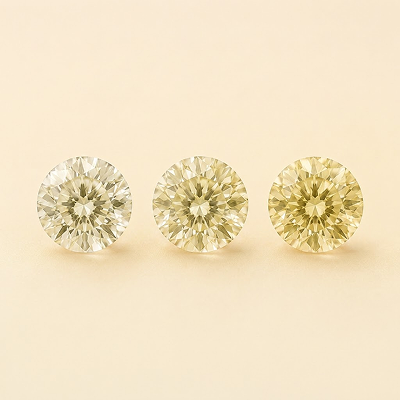
The K, L, and M grades fall within the faint color category on the GIA diamond color scale. These diamonds display a slight, but noticeable, warm tint. While they contain more color than near-colorless diamonds, they can offer exceptional value and a beautiful, warm aesthetic, especially when set in yellow or rose gold.
K Color Grade: Displays a faint warm tint that is often noticeable to the naked eye, offering excellent value.
L Color Grade: Shows a slightly more noticeable yellow or brown tint, providing a distinct warm character.
M Color Grade: Features a clear, faint color that brings a noticeable warm glow to the diamond.
Very Light Color Grades: N, O, P, Q, R
Diamonds graded N through R fall within the Very Light Color range of the GIA color scale. These diamonds display a noticeable yellow or brown tint that is visible to the naked eye, giving them a naturally warmer appearance than higher color grades.
N Color Grade: Displays the lightest warmth within this category while maintaining attractive brilliance.
O Color Grade: Shows a soft yellow or brown tint that becomes more noticeable in everyday lighting.
P Color Grade: Features a visible warm tone with a balanced combination of character and sparkle.
Q Color Grade: Exhibits a stronger yellow or brown hue while retaining its natural brilliance.
R Color Grade: The deepest color within the Very Light category, offering a rich warm appearance and excellent value.
Light Color Grades: S, T, U, V, W, X, Y, Z
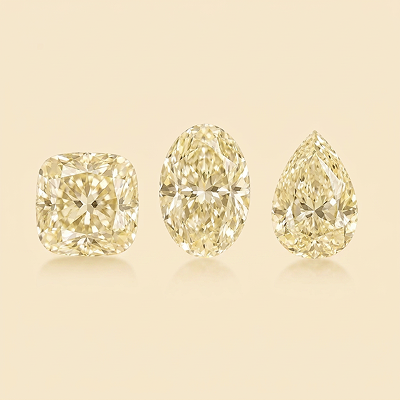
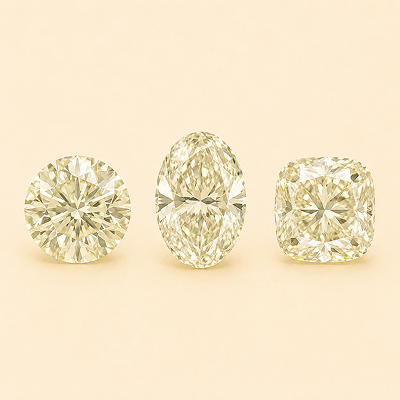
Diamonds graded S through Z belong to the Light Color range and display a clearly visible yellow or brown body color. These diamonds have a distinctly warm appearance that is immediately noticeable without magnification. Their unique coloration gives them a character of their own while remaining part of the traditional D-to-Z white diamond color scale.
Moving from S to Z, the intensity of the color steadily increases, creating a warmer and more distinctive appearance. While these diamonds differ from the traditional colorless look, they possess their own unique charm and character. Their rich warm tones complement yellow and rose gold settings exceptionally well, offering an affordable option for those who appreciate a bold, vintage-inspired aesthetic.
Diamond Clarity
Diamond clarity refers to the absence of inclusions and blemishes. Diamonds without these birthmarks are rare, and rarity affects a diamond's value. Every diamond is unique.
While most diamonds have tiny imperfections that occurred during their formation deep within the earth, those with the fewest or smallest inclusions receive the highest clarity grades.
Understanding diamond clarity helps you find a stone that perfectly balances beauty and budget. Many diamonds are 'eye-clean', meaning their imperfections cannot be seen without magnification.
Diamond Clarity
What Is Diamond Clarity?
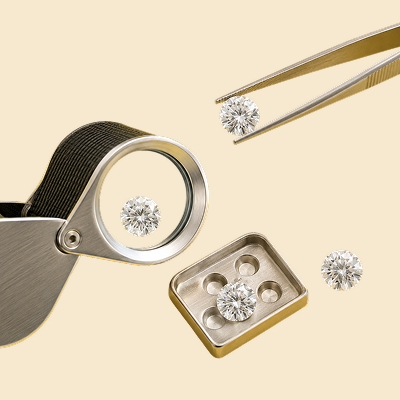
Diamond clarity refers to the natural characteristics found within and on the surface of a diamond. These internal features, known as inclusions, and external marks, called blemishes, are created during the diamond's formation deep within the Earth. Since most are microscopic, they are rarely visible without magnification and often have little impact on a diamond's beauty.
At Swayi, we carefully select diamonds that meet exceptional clarity standards, ensuring each stone delivers remarkable brilliance while offering lasting value. As one of the internationally recognised 4Cs-alongside Cut, Colour, and Carat Weight-clarity plays an important role in evaluating a diamond's overall quality. Every diamond is one of a kind. Its unique clarity characteristics are a natural fingerprint, making each stone truly individual.
How Important Is Diamond Clarity?
While clarity contributes to a diamond's overall quality, it is not always the most important factor. In most cases, a well-cut diamond with a slightly lower clarity grade can appear just as beautiful as one with a higher grade.
- Visual Impact: Most inclusions in VS and many SI diamonds cannot be seen without magnification, making them visually stunning for everyday wear.
- Rarity & Value: Higher clarity diamonds are rarer and typically command higher prices due to their scarcity.
- Smart Balance: Choosing an eye-clean diamond allows you to invest more in cut or carat weight without compromising appearance.
For most engagement rings, VS1, VS2, SI1, and carefully selected SI2 diamonds offer outstanding beauty while providing excellent value. Prioritising a high-quality cut often has a greater impact on brilliance than choosing the highest clarity grade.
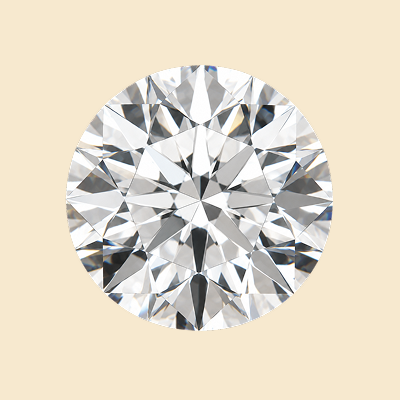
Diamond Carat Chart
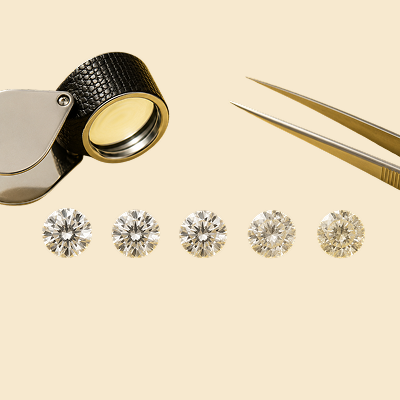
FL - IFVVS1 - VVS2VS1 - VS2SI1 - SI2I1 - I3| Clarity Grade | Detailed Visual Characteristics |
|---|---|
| Flawless (FL) | No internal inclusions or external blemishes are visible under 10× magnification. This is the rarest and highest clarity grade. |
| Internally Flawless (IF) | No internal inclusions are detected under 10× magnification. Only very minor surface imperfections may be present. |
| Very, Very Slightly Included (VVS1 and VVS2) | Minute inclusions that are extremely difficult for even experienced gemologists to detect under 10× magnification. |
| Very Slightly Included (VS1 and VS2) | Small inclusions that can be identified under 10× magnification but generally do not affect the diamond’s appearance. |
| Slightly Included (SI1, SI2) | Noticeable inclusions visible under 10× magnification and, in some cases, may be seen without magnification. |
| Included (I1, I2, I3) | Obvious inclusions that are visible to the naked eye and may impact the diamond’s brilliance and durability. |
Diamond Clarity Buying Guide
Choosing the right diamond clarity is about balancing beauty, brilliance, and value. Many diamonds with slight natural inclusions appear perfectly eye-clean, offering exceptional sparkle without the premium price of the highest clarity grades.
- Prioritise an Eye-Clean Diamond: Select a diamond that looks flawless to the naked eye, rather than focusing only on the highest clarity grade.
- Balance the 4Cs: Consider Cut, Color, Clarity, and Carat together for the best overall beauty and value.
- Match Clarity to Carat Size: Larger diamonds may benefit from higher clarity, as inclusions can become more noticeable.
- Trust Swayi Experts: Our specialists hand-select diamonds for exceptional brilliance, beauty, and lasting value.
Diamond Carat
Carat is the standard unit used to measure a diamond's weight, with 1 carat equal to 200 milligrams. While carat influences a diamond's size, two diamonds of the same weight can appear different depending on their cut, shape, and proportions.
A well-cut diamond reflects light more efficiently, often making it appear larger and more brilliant than a poorly cut diamond of the same carat weight. Because of this, carat should always be considered alongside cut quality for the best overall appearance.
For the best balance of beauty and value, many buyers choose diamonds just below popular weight milestones, such as 0.90 ct instead of 1.00 ct, or 1.90 ct instead of 2.00 ct. These diamonds often offer a very similar visual size while providing significant savings.
 Round
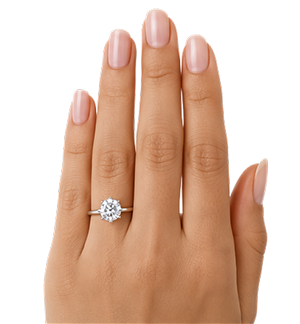
Diamond Carat
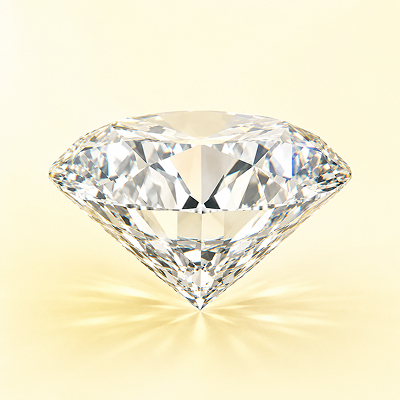
What Is Diamond Carat?
Diamond carat is the internationally recognized unit used to measure a diamond's weight. One carat is equal to 0.2 grams (200 milligrams). While many people associate carat with the size of a diamond, it actually refers to its weight. The visible size can vary depending on the diamond's cut, shape, and proportions.
Carat is one of the 4Cs of diamond quality, alongside Cut, Color, and Clarity. As carat weight increases, diamonds become rarer, making them more valuable. However, exceptional beauty comes from the balance of all four characteristics rather than weight alone.
At Swayi, we believe selecting the perfect diamond is about more than choosing the largest stone. By understanding carat weight and how it works with cut, color, and clarity, you can confidently choose a diamond that offers exceptional brilliance, beauty, and lasting value.
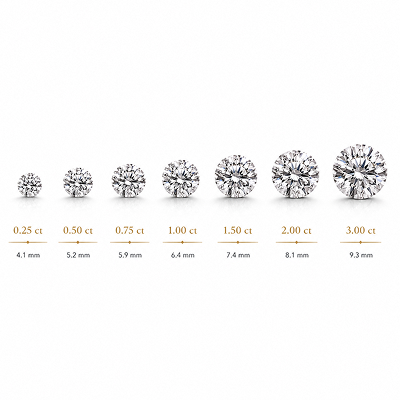
A Closer Look at Diamond Carat Size
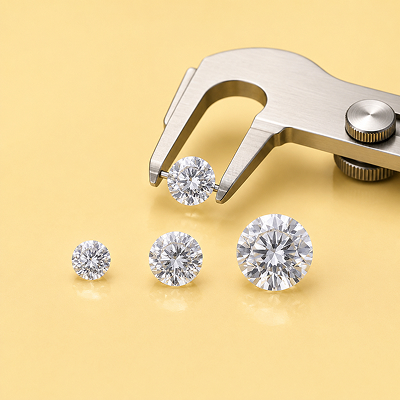
Carat weight is one of the most recognised characteristics of a diamond, but it represents weight not visible size. One carat equals 200 milligrams, and while a higher carat weight generally creates a larger appearance, a diamond's actual visual presence is influenced by its cut, shape, and proportions.
Carat weight influences a diamond's overall presence, rarity, and value. As carat weight increases, diamonds become progressively rarer, making larger stones highly sought after. However, the most captivating diamond is not always the largest it's the one that offers the perfect balance of sparkle, proportion, and elegance.
At Swayi, we believe every diamond should captivate with exceptional brilliance, regardless of its carat weight. Our carefully curated collection ensures each stone is selected for its beauty, balance, and timeless elegance.
Why Diamond Carat Matters ?
Carat weight is one of the 4Cs of diamond quality along with Cut, Color, and Clarity. As carat weight increases, diamonds become rarer, making larger stones significantly more valuable. Choosing the right carat depends on your style, finger size, setting, and budget.
Oval diamonds often appear larger than round diamonds of the same carat because of their elongated shape. A well-cut diamond can appear larger and sparkle more than a heavier diamond with poor proportions. Carat weight alone does not determine beauty the best diamonds balance all 4Cs.
Oval diamonds often appear larger than round diamonds of the same carat because of their elongated shape. A well-cut diamond can appear larger and sparkle more than a heavier diamond with poor proportions. Carat weight alone does not determine beauty the best diamonds balance all 4Cs.
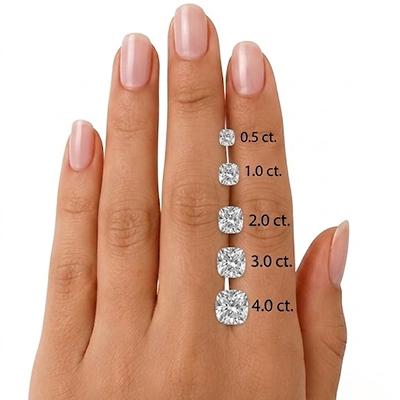
Diamond Size Chart
 Cushion
| MM Size | Carat Weight |
|---|---|
| 5.5x4mm | 0.5 |
| 7x4.5mm | 1 |
| 7.5x5mm | 1.25 |
| 8x5.5mm | 1.5 |
| 8.5x6mm | 2 |
| 9x6.5mm | 2.5 |
| 9.7x7mm | 3 |
| 10.3x7mm | 3.5 |
| 10.7x7.5mm | 4 |
| 11x6mm | 4.5 |
| 11.5x8mm | 5 |
Diamond Carat Measurement
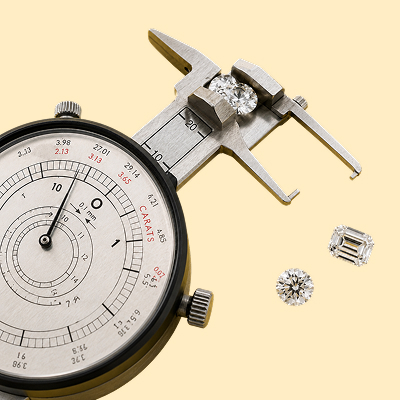
Diamond carat is measured with exceptional precision using specialized electronic scales that can detect even the smallest differences in weight. One carat equals 200 milligrams and is divided into 100 points, ensuring accurate and consistent grading across the jewelry industry. While carat measures weight, the diamond's cut and proportions determine how large it appears when viewed from above.
Precise Weight: Measured to the nearest hundredth (or thousandth) of a carat for accuracy.
Face-Up Size: The visible dimensions of the diamond, influenced by its cut and shape.
Cut Proportions: Well-cut diamonds often appear larger and exhibit greater brilliance than poorly cut stones of the same carat.
Shape Influence: Oval, pear, marquise, and other elongated shapes typically appear larger than round diamonds of equal carat weight.
Overall Value: Carat weight is assessed alongside Cut, Color, and Clarity to determine a diamond's overall quality and value.
Diamond Shapes
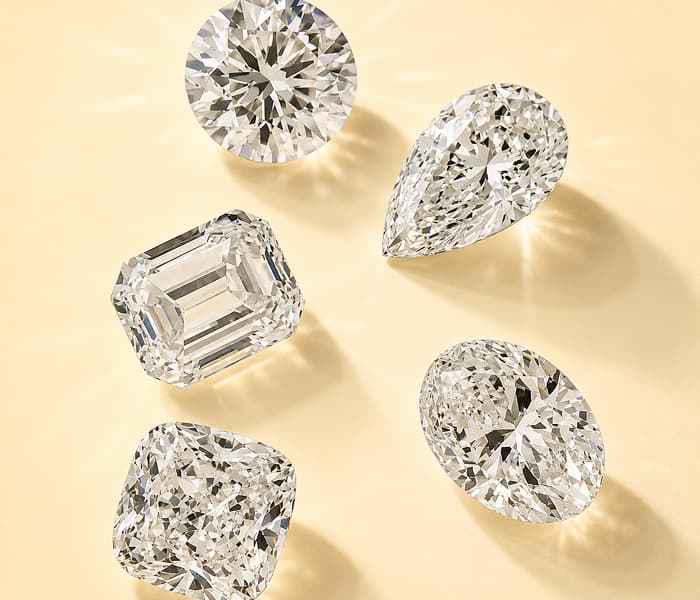
A diamond's shape refers to its overall outline when viewed from above and should not be confused with its cut, which measures how well the diamond reflects light. While the Round remains the most popular choice for its exceptional sparkle, fancy shapes such as Oval, Cushion, Emerald, Princess, Pear, Marquise, Radiant, Ascher, and Heart each offer their own unique style and character.
Every diamond shape has distinct visual qualities. Round diamonds maximize brilliance, oval and marquise shapes create the illusion of longer, slender fingers, while emerald and Ascher cuts are admired for their elegant "hall of mirrors" effect.
When selecting a diamond shape, consider both appearance and lifestyle. Some shapes appear larger than others at the same carat weight, while pointed shapes such as pear, marquise, and princess benefit from protective settings to help guard against chipping.
Diamond Shapes
Why Choose Your Diamond Shape?
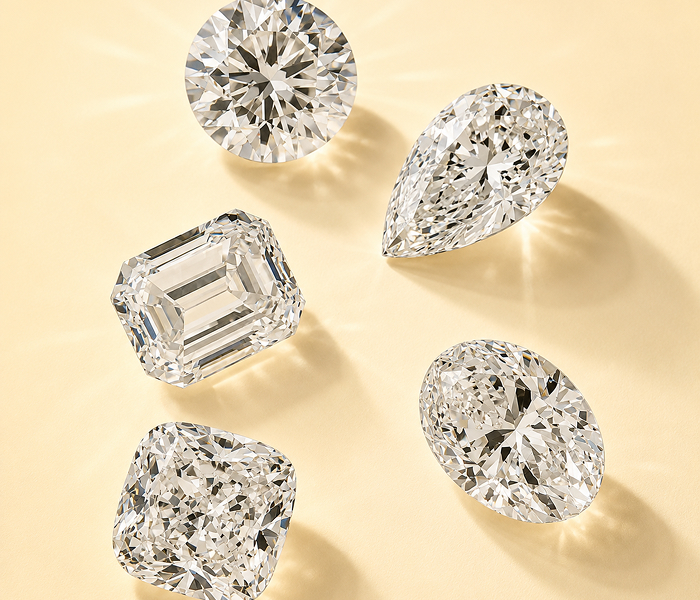
Choosing a diamond shape is one of the most personal decisions when selecting fine jewelry. Beyond its appearance, each shape influences how a diamond captures light, how large it appears, how it complements the hand, and the overall character of the piece. From the timeless brilliance of a Round Brilliant to the graceful elegance of an Oval, the refined sophistication of an Emerald Cut, or the bold individuality of a Pear or Marquise, every shape offers a unique expression of style.
Your diamond shape influences far more than appearance it affects brilliance, perceived size, finger coverage, and overall style. At Swayi, every diamond is thoughtfully selected to showcase exceptional beauty, precision, and craftsmanship, helping you find the perfect shape for every milestone.
Diamond Shape Chart
 Cushion
 Emerald
 Radient
 Pear
 Marquise
 Princess
 Heart
 Ascher
 Round
 Oval
| Diamond Shape | Key Characteristics | Typical Facets |
|---|---|---|
| Round | Perfectly symmetrical with exceptional brilliance and timeless appeal. | 57–58 |
| Princess | Modern square design featuring sharp corners and vibrant sparkle. | 58–76 |
| Cushion | Soft rounded edges create a romantic, vintage-inspired appearance. | 58–64 |
| Oval | Elegant elongated shape that enhances finger length and brilliance. | 56–58 |
| Emerald | Sleek step-cut facets produce broad flashes of light and clarity. | 57 |
| Asscher | Square step-cut with clipped corners and striking geometric symmetry. | 58–74 |
| Radiant | Brilliant-cut shape combining bold sparkle with trimmed corners. | 70 |
| Marquise | Slender pointed silhouette designed to maximise visual size. | 58 |
| Pear | Graceful teardrop profile blending elegance with brilliant sparkle. | 58 |
| Heart | Romantic heart silhouette crafted for symbolic beauty and brilliance. | 56–58 |
| Trillion | Triangular shape offering a contemporary look with dynamic light performance. | 31–50 |
| Baguette | Clean rectangular step-cut commonly used to accent centre diamonds. | 14 |
| European | Historic round cut admired for its vintage charm and soft brilliance. | 58 |
| Old Mine | Antique cushion-style cut featuring a handcrafted, heirloom character. | 58 |
| Rose | Flat base with a domed crown that delivers a subtle, antique shimmer. | 3–24 |
Explore Diamond Shapes
Round Diamonds
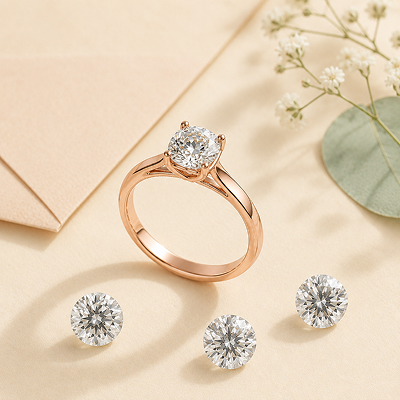
The Round diamond is the world's most iconic and sought-after shape, celebrated for its unmatched brilliance and timeless appeal. Engineered with 57 or 58 expertly aligned facets, it reflects light with exceptional fire, sparkle, and scintillation.
Designed to maximise light return, round diamonds consistently deliver the brightest appearance among all diamond shapes. Their enduring elegance and universal appeal make them an ideal choice for celebrating life's most meaningful moments.
Perfect For: Elegant proportions, larger appearance, contemporary luxury.
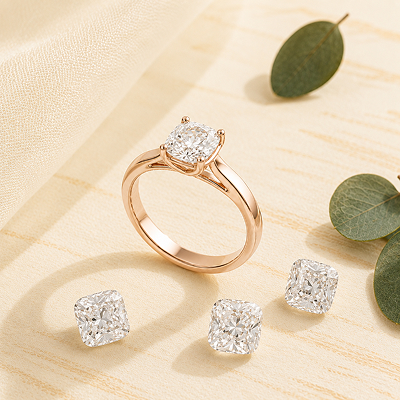
Cushion Diamond
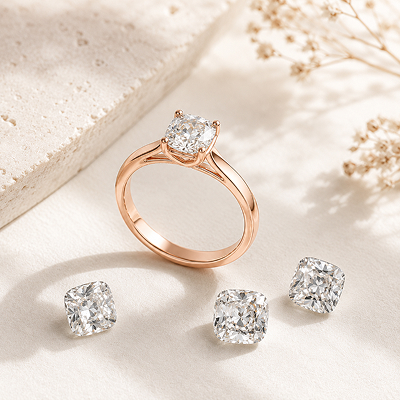
Softly rounded corners and brilliant facets give the Cushion Cut its romantic, pillow-like appearance. A favourite for centuries, this shape beautifully blends vintage charm with modern brilliance, creating a warm and luxurious look.
Available in both classic and modified facet arrangements, cushion diamonds can display bold flashes of light or a shimmering "crushed ice" sparkle. Their timeless beauty makes them a favourite for heirloom-inspired jewellery.
Perfect For: Vintage romance, soft elegance, exceptional fire.
Emerald Diamond
The Emerald Cut is admired for its clean lines, elongated proportions, and sophisticated step-cut facets. Rather than dazzling with intense sparkle, it produces broad flashes of light known as the "hall of mirrors" effect.
Its understated beauty highlights exceptional clarity and craftsmanship, making it the preferred choice for those who appreciate refined luxury and timeless sophistication.
Perfect For: Understated luxury, elegant simplicity, exceptional clarity.
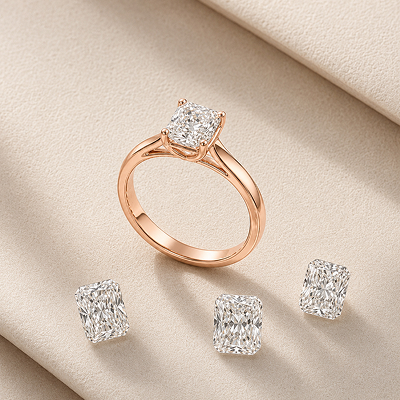
Radiant Diamond
The Radiant Cut combines the elegant outline of an emerald cut with the brilliance of a round diamond. Featuring trimmed corners and brilliant-cut facets, it offers extraordinary sparkle while maintaining a refined geometric shape.
Its versatility allows it to complement both classic and modern settings, making it a favourite for those seeking brilliance without sacrificing sophistication.
Perfect For: Brilliant sparkle, contemporary elegance, versatile styling.
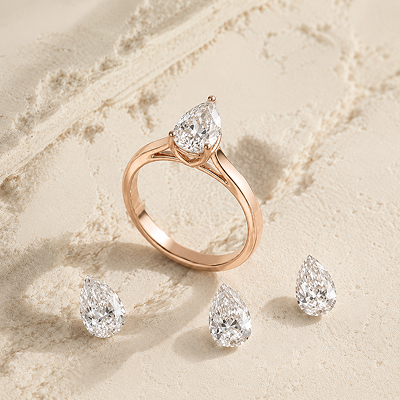
Pear Diamond
Also known as the Teardrop Cut, pear-shaped diamonds combine the brilliance of a round diamond with the graceful point of a marquise. Their distinctive silhouette creates an elegant and eye-catching look that feels both romantic and unique.
Whether worn with the point facing upward or downward, pear diamonds create a flattering elongated appearance while offering exceptional brilliance and individuality.
Perfect For: Romantic style, graceful elegance, statement jewelry.
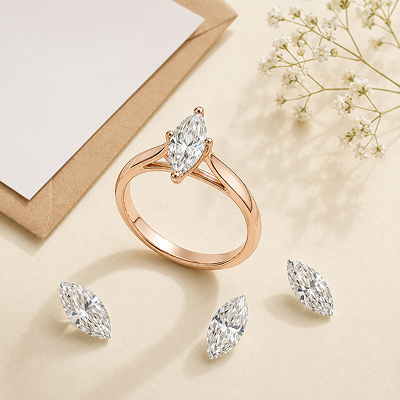
Marquise Diamond
The Marquise Cut features an elongated body with pointed ends that create a dramatic and regal appearance. Its unique proportions maximise visual size, often making the diamond appear larger than other shapes of equal carat weight.
Its graceful silhouette naturally elongates the finger while delivering remarkable brilliance and an unmistakable presence.
Perfect For: Bold elegance, elongated look, maximum visual size.
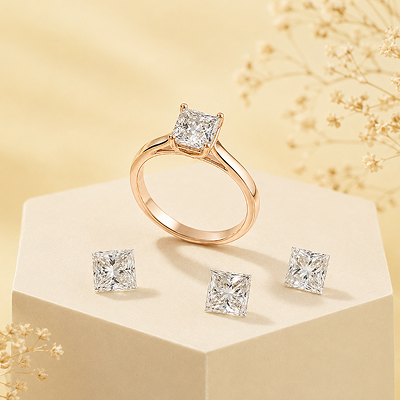
Princess Diamonds
The Princess Cut is known for its crisp square outline and exceptional brilliance. With sharp corners and brilliant faceting, it delivers impressive sparkle while maintaining a clean, contemporary appearance.
Its geometric design suits both traditional and modern ring settings, making it one of the most versatile diamond shapes. Princess diamonds offer an ideal balance of bold style and everyday sophistication.
Perfect For: Modern elegance, bold sparkle, geometric beauty.
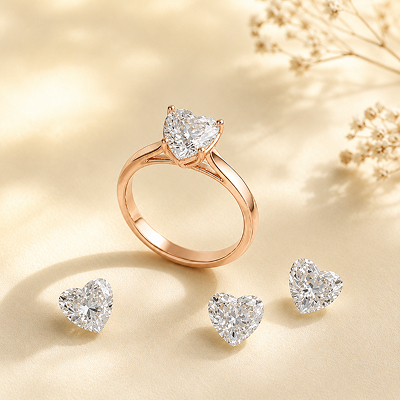
Heart Diamond
The Heart Shape is the ultimate symbol of love, expertly crafted to combine exceptional brilliance with meaningful design. Perfect symmetry is essential, making it one of the most technically demanding diamond cuts.
Its romantic silhouette creates a truly unforgettable centre stone, making heart-shaped diamonds a meaningful choice for anniversaries, engagements, and treasured gifts.
Perfect For: Romantic symbolism, unique beauty, meaningful celebrations.
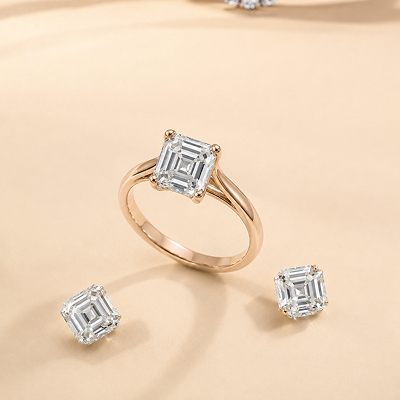
Ascher Diamond
Distinguished by its square shape and clipped corners, the Ascher Cut showcases mesmerising step-cut facets that create remarkable depth and symmetry. Inspired by Art Deco design, it offers a sophisticated architectural beauty unlike any other shape.
Its distinctive "hall of mirrors" effect rewards exceptional diamond clarity while delivering refined flashes of light with vintage character.
Perfect For: Art Deco style, vintage elegance, architectural beauty.
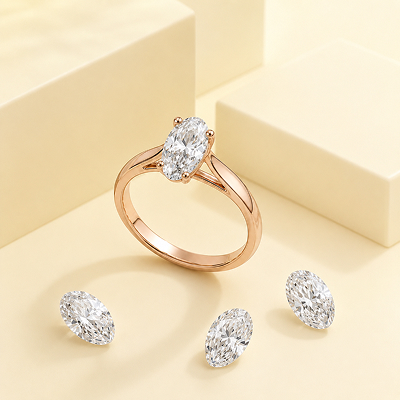
Oval Diamond
Oval diamonds combine the brilliance of a round diamond with an elongated, sophisticated silhouette. Their graceful proportions create the illusion of longer, slimmer fingers while offering remarkable sparkle from every angle. Modern yet timeless, the oval cut has become one of today's most desirable engagement ring shapes.
Because of their elongated surface area, oval diamonds often appear larger than round diamonds of the same carat weight. Their elegant profile pairs beautifully with minimalist settings as well as vintage-inspired designs.
Perfect For: Elegant proportions, larger appearance, contemporary luxury.
Frequently Asked Questions
Still Not Sure About Your Size?
Our specialists can measure, advise and resize — reach us the way that suits you.
Call Our Experts
Speak with our jewelry specialists for personalized guidance and immediate assistance.
Call NowEmail Us
Connect with our team for quick answers, styling advice, and order assistance.
Email UsLive Chat
Send us your questions and we'll respond with personalized support within 24 hours.
Start ChatBook an Appointment
Reserve a private consultation to explore our collections and receive expert guidance.
Book Now